

The internet has transformed the way people discover stories, ideas, products, activities, and memorable moments. Among the many types of content that attract attention, family-focused discoveries often feel especially relatable because they connect ordinary experiences with curiosity and emotion. The phrase look what momfound captures this simple idea of sharing something interesting that a mother has discovered and presenting it in a way that encourages others to explore it.
What makes this type of content appealing is its connection to everyday life. A discovery does not have to be expensive, unusual, or extraordinary to become meaningful. It could involve a creative activity for children, an interesting household idea, a useful product, a seasonal project, or an unexpected family experience. When these discoveries are presented as stories rather than simple recommendations, readers can understand not only what was found but also why it mattered.
Today, audiences increasingly appreciate content that combines usefulness with a personal perspective. Instead of simply listing information, a good story explains the situation behind a discovery, how it was used, and what others might learn from the experience. This approach creates content that feels more natural and gives readers practical reasons to continue exploring.
Why Family Discovery Stories Remain Popular
Family discovery stories have a natural advantage because they can cover a remarkably broad range of subjects. Parents are constantly searching for new activities, educational resources, recipes, crafts, entertainment ideas, gifts, and ways to make daily routines more enjoyable. A discovery shared within a family can therefore become the starting point for a much larger conversation.
The appeal also comes from authenticity. Readers often respond differently to an idea when it is presented through an experience rather than a generic advertisement. A parent explaining how a particular activity kept children engaged, for example, provides context that a simple product description cannot offer. The story demonstrates how something fits into real life, which can make the information easier to understand.
Another reason this format works well is its ability to create curiosity. A phrase such as look what momfound naturally suggests that something unexpected or interesting is about to be revealed. That curiosity can encourage readers to continue through the story, particularly when the content introduces a discovery gradually and explains its relevance along the way.
The Different Types of Discoveries Families Share
Not every family discovery has the same purpose. Some are primarily entertaining, while others are educational or practical. Understanding these different categories can help explain why discovery-based content can remain relevant across different audiences and seasons.
Creative and Educational Discoveries
Creative activities are among the most common discoveries families share. Parents may find new craft ideas, science experiments, drawing projects, books, educational games, or activities that encourage children to learn while having fun. These discoveries can be particularly valuable because they combine entertainment with development.
For example, a simple weekend activity might introduce children to basic principles of science, art, mathematics, or problem-solving. The activity itself may appear uncomplicated, but the experience surrounding it can make the concept memorable. Parents can also adapt activities according to age, available materials, and individual interests, making the discovery more flexible.
Educational discoveries do not have to resemble traditional classroom lessons. A cooking activity can teach measurement, while gardening can introduce children to biology and environmental awareness. Similarly, building projects can encourage creativity and logical thinking. The most effective family content often explains these connections through practical examples instead of presenting them as formal lessons.
Household and Lifestyle Discoveries
Parents also discover ideas that make everyday household routines easier. These can include organization techniques, storage solutions, cleaning methods, meal-planning approaches, or practical products designed for busy families.
The value of these discoveries often comes from saving time rather than creating excitement. A small improvement to a morning routine, for example, can make a noticeable difference when repeated every day. Content about these experiences becomes useful when it explains the problem, the discovery, and the result in a straightforward way.
This is another area where look what momfound can represent more than a simple phrase. It can describe a broader style of storytelling in which ordinary discoveries are given context and shared with people who may face similar situations.
Turning an Everyday Discovery Into a Story
A discovery becomes more interesting when there is a story behind it. Rather than immediately describing what was found, effective content can introduce the situation that led to the discovery. Perhaps a family needed an activity for a rainy weekend, wanted to solve an organization problem, or was searching for a creative birthday idea.
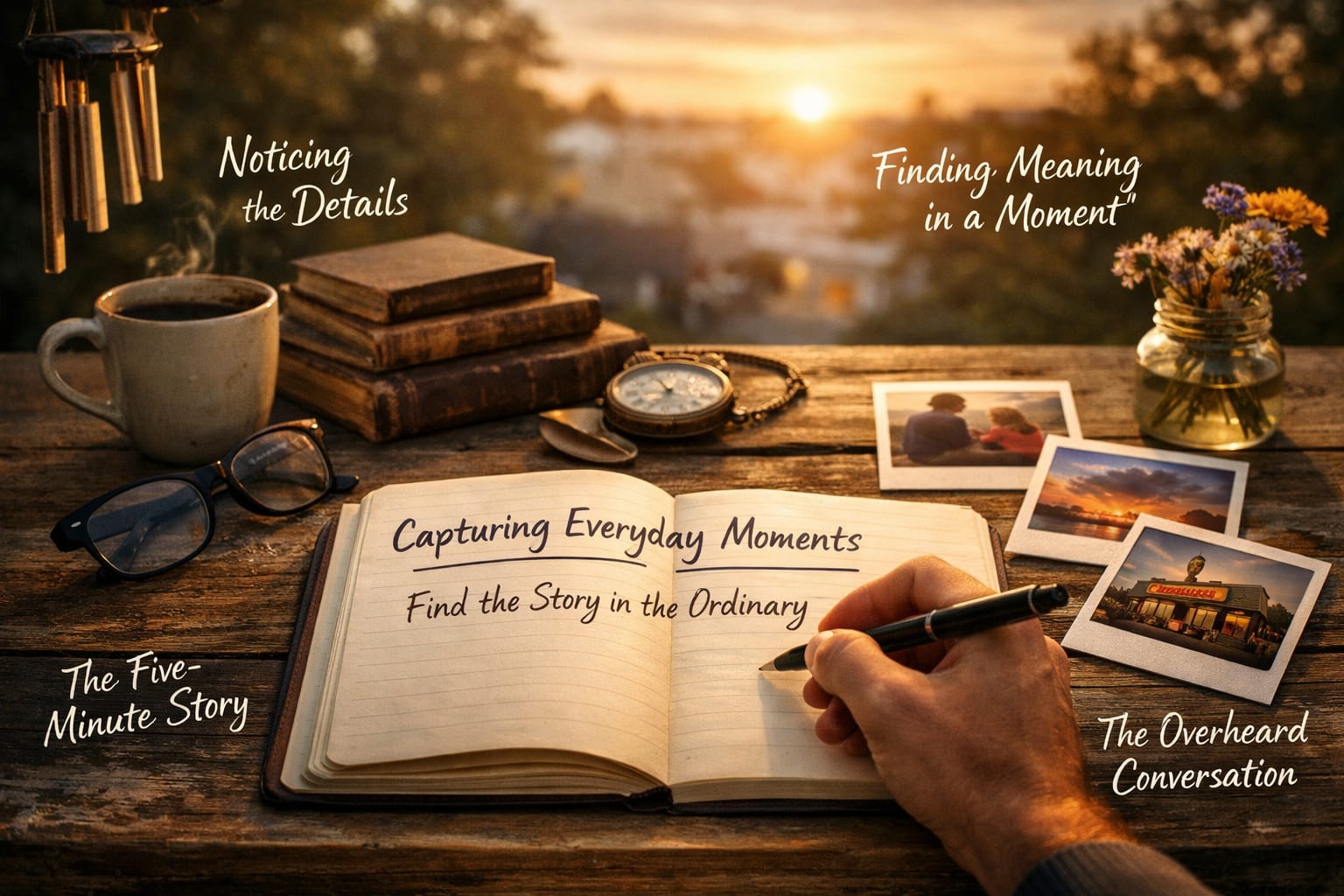
The next stage is explaining the discovery itself. Readers benefit from knowing what made the idea stand out and how it differed from other possibilities. If the discovery involves a product or activity, the article can describe its features, practical uses, limitations, and suitability for different situations without turning the content into an overly promotional advertisement.
The final part is the experience. What happened after the discovery was tried? Was it successful? Did children enjoy it? Did it solve the original problem? Were there unexpected benefits? These details transform general information into a relatable story.
A useful discovery story can therefore follow a simple progression:
- The original situation or problem
- The discovery that attracted attention
- The experience of trying it
- The practical lesson or takeaway
This structure keeps the article organized while allowing most of the content to remain in natural paragraphs.
Why Personal Perspective Adds Value
Personal perspective is one of the strongest elements in family-oriented content because it gives readers a reason to trust the narrative. A factual description may explain what something does, but personal context explains how it fits into real life.
For instance, parents often evaluate activities differently depending on age, available time, cost, safety considerations, and children’s interests. Mentioning these factors can make a story significantly more useful. A weekend craft that takes two hours may be perfect for a quiet afternoon but less practical for a busy weekday.
Personal perspective also allows writers to acknowledge imperfections. Not every discovery works exactly as expected. A particular activity may require more preparation than anticipated, or a product may be better suited to one age group than another. Including these observations creates a more balanced and believable article.
When readers encounter content described through realistic experiences, they can decide whether the idea is relevant to their own circumstances. That is more valuable than simply being told that something is “amazing” or “perfect.”
Building Content Around Multiple Stories
The concept becomes particularly interesting when several discoveries are combined into one broader collection. Multiple stories allow readers to encounter different situations, personalities, and ideas without requiring every discovery to serve the same purpose.
For example, one story might focus on a children’s creative project, another on a useful household discovery, and another on a seasonal family activity. Although these topics are different, they can share a common theme: discovering something that improves, entertains, or enriches everyday life.
Comparing Different Discovery Types
A comparison can also help readers understand how different discoveries serve different needs. The following table illustrates how various categories can be approached in family-oriented content.
| Discovery Type | Main Purpose | Example Experience | Potential Value |
|---|---|---|---|
| Creative activity | Entertainment and creativity | Family craft project | Encourages imagination |
| Educational idea | Learning through experience | Science experiment | Builds curiosity |
| Household solution | Convenience | Organization method | Saves time |
| Seasonal activity | Family engagement | Holiday project | Creates shared memories |
| Outdoor discovery | Exploration | Nature activity | Encourages active participation |
This variety prevents the content from becoming repetitive. It also demonstrates why discovery-based storytelling can remain relevant to families with very different interests.
Creating Memorable Family Experiences
Some discoveries become memorable because they create an opportunity for people to spend time together. In a world where family members can easily become absorbed in individual screens and schedules, shared activities can provide a reason to interact.
A family does not necessarily need an elaborate vacation or expensive entertainment to create meaningful memories. Cooking dinner together, building something, exploring a local park, starting a small garden, or completing a creative project can all become memorable experiences when people participate together.
The important element is participation. A discovery becomes more meaningful when family members have an opportunity to contribute rather than simply observe. Children can choose colors for a craft, help prepare ingredients, select a book, or participate in a small household project. These simple choices can give them a stronger sense of involvement.
Stories built around these experiences often remain engaging because readers recognize their own families in the situations being described. That sense of familiarity can make an ordinary discovery feel surprisingly significant.
How Discovery Content Can Stay Relevant
Current digital audiences have access to an enormous amount of information, so useful content needs to provide more than surface-level descriptions. Readers generally benefit from context, practical explanations, realistic examples, and information that helps them understand how an idea could work in their own lives.
This is especially important for content associated with look what momfound, because the phrase can cover many different types of discoveries. Instead of repeating the same format for every story, writers can focus on the unique circumstances surrounding each discovery.
Seasonality can also influence relevance. Back-to-school periods may create interest in educational activities and organization ideas, while holidays can inspire crafts, recipes, decorations, and family traditions. Summer may shift attention toward outdoor activities, travel planning, and creative projects that keep children engaged.
Keeping the subject connected to real-life situations helps the content remain useful rather than feeling like a collection of disconnected recommendations.
The Role of Curiosity in Discovery-Based Content
Curiosity is a powerful storytelling element because it encourages readers to find out what happens next. The strongest discovery stories do not necessarily reveal everything in the opening sentence. Instead, they introduce a situation and gradually explain how an unexpected idea provided a solution or created an enjoyable experience.

This approach can make even a simple subject interesting. Imagine a parent trying to keep children occupied during a rainy afternoon. The problem itself is familiar, but the story becomes more engaging when readers discover how an ordinary household item was turned into a creative project.
The same principle applies to other areas. A small organizational problem can lead to a clever solution, an unexpected book can become a favorite family read, or a simple outdoor activity can turn into a recurring weekend tradition. The discovery becomes memorable because of the story surrounding it.
Making Family Content Useful for Different Readers
Families are not all the same, so discovery content should avoid assuming that one solution works for everyone. Parents have different schedules, budgets, living arrangements, children’s ages, and interests. A useful article acknowledges these differences.
For example, an activity that works well for younger children may require modifications for teenagers. Similarly, a project requiring outdoor space may not be practical for someone living in an apartment. Offering context allows readers to adapt the idea instead of simply accepting or rejecting it.
Accessibility is another consideration. Simple materials and flexible instructions can make an activity available to more families. When content focuses on creativity rather than expensive equipment, readers can often adapt the basic idea using items they already have.
This flexible approach makes look what momfound a useful concept for broader storytelling. The discovery is not necessarily about finding one perfect answer; it is about sharing an idea that readers can consider, modify, and potentially make part of their own routines.
From Small Discoveries to Lasting Traditions
One of the most interesting aspects of family discoveries is that a temporary activity can sometimes become a tradition. A craft project completed once might become an annual holiday activity. A recipe discovered for a special occasion might eventually become a family favorite. A weekend outing might turn into a regular monthly tradition.
These developments show why seemingly small discoveries can have lasting value. The original discovery is only the beginning. What matters afterward is how people respond to it and whether it becomes part of their shared experiences.
Stories about these transitions can be particularly engaging because they show change over time. Readers can see how an ordinary moment developed into something meaningful for the family.
What Makes a Discovery Story Worth Sharing?
Not every discovery needs to be extraordinary. Often, the most relatable stories involve simple ideas that solve familiar problems or create enjoyable moments. What makes them worth sharing is the combination of usefulness, context, and genuine experience.
A strong story answers basic questions naturally: What was discovered? Why was it interesting? Who benefited from it? How was it used? What happened afterward? These questions provide enough structure to create a complete narrative without relying heavily on lists.
The phrase look what momfound works naturally within this storytelling approach because it communicates surprise, discovery, and sharing. It suggests that something has caught someone’s attention and is now being introduced to a wider audience.
Conclusion
Family discovery stories remain relevant because they connect useful ideas with experiences that people can recognize from their own lives. Whether the subject involves creative activities, educational projects, household solutions, seasonal traditions, or unexpected finds, the story behind the discovery often matters as much as the discovery itself. The most engaging content focuses on authenticity rather than exaggerated claims. It explains what happened, why the discovery mattered, and how other families might adapt the idea to their own circumstances. That combination of personal experience and practical information gives discovery-based content lasting value.